
“Setting boundaries” feels like one of those things that life or relationship coaches tell you to do.
It’s a way of keeping less desirable behaviours in check, and of building healthier habits.
And it can quickly feel like a chore.
Which is why I think about boundaries in a different way.
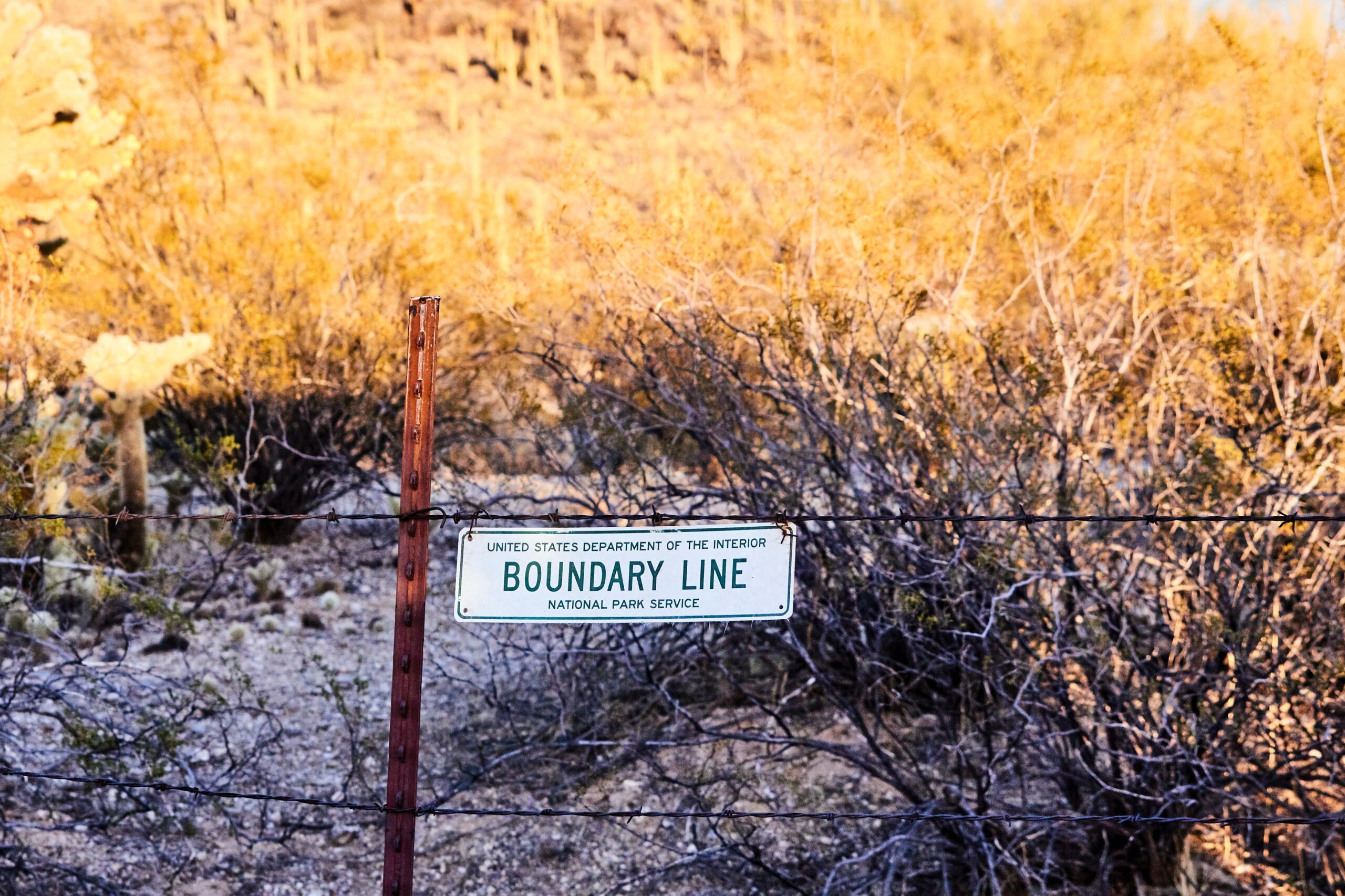
As a protective fence.
A fence that safeguards the thing you want to be doing more of. Something that gives, rather than something that takes away.
And, as in your personal life, these types of fences apply to your work life too. (As a starter for ten, if you can’t see a clear distinction between those two lives, you definitely need to keep reading.)
Establishing clear business boundaries isn’t just important, it’s essential. Without them, it becomes harder to measure success, harder to safeguard your time for the important things – as well as the urgent things – and harder to maintain your endurance for the long road ahead.
But beyond any of that, boundaries are how we quantify the work that we do, and assign it value. They are how we divide our time and exert effort on different parts of our business.
As a result, they’re one of the most fundamental ways we can make strategic decisions about its direction.
Why Do I Need to Set Business Boundaries?
I’d hate to make any assumptions, but given you’re reading this post, I’m going to take a guess that you could get better at creating (and sticking to) healthy boundaries.
One study found that “heightened levels of blurred work-life boundaries predict negative changes in happiness through enhanced emotional exhaustion.” Similarly, increased blurring of those boundaries led to a deterioration in healthy lifestyle behaviours, “which in turn was related to reduced happiness.”
Clearly, delineating work isn’t just important for business strategy, but it’s also likely to improve:
- Your mental health
- Your work-life balance
- Your ability to activate the critical-thinking and decision-making parts of your brain that made you such an effective entrepreneur in the first place
Now, wouldn’t it be great to have all those things?
What Types of Business Boundaries Can I Set?
Boundaries come in all kinds of forms:
- Location-based. Such as a decision to only work whilst in your office, to always fill out your tax return in a space that makes you happy, or to never take your work laptop with you when on holiday.
- Time-based. Time is a well-established boundary for salaried employees, but when you’re the boss it can be a much trickier line to draw.
- Context-based. These kinds of boundaries might involve drawing lines between personal time and work time, or between different tasks, making sure that you distribute your efforts effectively between various business needs.
How Do I Set Business Boundaries?
Successfully establishing boundaries is all about accountability. So to give yourself the best chance of sticking to those boundaries, here are my three top tips:
Tip #1: Make your boundaries specific and measurable
Let’s take an example:
“I’m going to spend less time working in the evenings.”
This is a perfectly noble goal for any business owner, but it’s pretty difficult to quantify. Which makes it harder to track, harder to celebrate success, and easier to slip back into bad habits.
Instead, try:
“I’m going to only work past 7pm once a week.”
Immediately, this specific goal conjures visions of a check-off sheet to track when you’ve worked an evening. That’s one of the fundamentals of a SMART goal.
You’ll also notice that I didn’t suggest aiming not to work any evenings. It’s much easier to establish a healthy habit if you make it realistic and achievable. We want you to end each week having succeeded in your goal far more often than not – because it’s that feeling of success that will drive you to go further.
And if a few months down the line you want to aim higher? Then that’s great too.
Tip #2: Brace for pushback
Pushback on your new boundaries is inevitable.
It might come from your partner. It might come from your colleagues or customers. Or it might even come from yourself.
But remember, if you don’t state your needs and expectations clearly, how can you expect anyone to follow them?
This might take a bit of getting used to saying “no”. It’s something we can all struggle with, but it’s an essential part of drawing boundaries.
And remember: by being clear, and by saying no, you’re helping to create a healthier environment for yourself and those around you. In the long run, that will pay huge dividends.
Tip #3: Remember what the cost is
Sticking to boundaries can quickly feel like a strain. Emails might go unanswered until the next day, orders might go undelivered, or that piece of marketing copy might go unwritten.
It can be easy to feel like you’re losing out on all kinds of things.
Next time you have that feeling, try this:
Remind yourself what you’re gaining.
By sticking to those boundaries – or fences – you might be safeguarding:
- More time with your family
- A fully-charged battery
- A sharper mind each morning
- Tighter deadlines that help you procrastinate less
- A more balanced approach to your business
There are so many things you can gain from effective boundaries – but our brains have a nasty habit of focusing on the things we might lose.
If, after a few months, your brain is still putting the ‘devil’ in ‘devil’s advocate’, try listing out the things you’ve lost and the things you’ve gained from your new boundaries.
Chances are, there’ll be far more in the plus column – and the quality of your life is likely far better.
Business Boundaries: Giving You Time To Focus
Boundaries are such an essential part of life, that no business can truly be effective without them.
Not only do they help protect your energy, effectiveness, and mental health, but they also allow you to more strategically divide the time you spend on your business.
As a result, they’re much more about keeping hold of things than blocking things out.
If you could do with a sounding board familiar with the ups and downs of running a business, I’d love to discuss how you can improve the balance in your own work life.
Kind Regards,
Chris